
Что можно делать с деньгами на английском. Топик «Деньги в нашей жизни» (Money in our life)
Деньги… Не в них счастье, но и без них не обойтись. Финансы помогают стать независимым и самостоятельным. Как вы уже догадались, наша тема посвящена деньгам и всему, что их касается на английском языке. Финансы — тема щекотливая, потому что их всегда мало, их не хватает. Но мы надеемся, что фразы, представленные ниже и рассмотренные в контексте примеров и перевода, вам пригодятся.
Деньги на английском языке и тема финансов с переводомИногда перевод слов, связанных с деньгами, бывает неожиданным. Потому что, как вы знаете, слова в английском языке имеют несколько значений.
Новичкам и даже тем, кто не изучает английский язык, известно это слово. «Money» — это деньги, финансы, в общем их значении. И английский язык нам напоминает, что это неисчисляемое существительное.
Например:
- What about money today? I have some money for lunch and coffee. — Что насчет денег сегодня? У меня немного денег на обед и кофе.
- Did you get your money? — Ты получил свои деньги? There is little money left. — Осталось мало денег.
- It is impossible to do little work and to get much money.- Невозможно мало работать и получать много денег.
Как вы заметили, «Money» — это общее слово для обозначения денег на английском.
Что касается финансов на английском
В этом разделе рассмотрим термины, касающиеся финансов и денег на английском и их перевод на русский язык. Вот основные денежные термины и их перевод на русский:
- ATM (= automated teller machine) / cash dispenser (BrE) — банкомат
I want to take my money from the ATM. Our ATM is broken; I can’t take my money. — Я хочу снять свои деньги с банкомата. Наш банкомат сломан; я не могу взять свои деньги.
- banknote / bill (AmE) — банкнота
Do you have any money?-Yes, I have some banknotes of 100 dollars. — У тебя есть деньги? Да, у меня несколько банкнот по 100 долларов.
- borrow — занимать
Can you borrow me some money till Monday? — Ты мог бы занять мне немного денег до понедельника?
- be broke — быть банкротом
Can you give me some money?-No, I am broke this week. — Ты можешь дать мне немного денег? Нет, я банкрот на этой неделе.
- budget — бюджет
Unfortunately, my budget is poor this month. — К сожалению, мой бюджет беден в этом месяце.
- cash — наличные (деньги)
Can you pay by cash?-Yes, sure. — Вы можете оплатить наличными? Да, конечно
- cashier — кассир
The cashier in this bank is very precise. — кассир в этом банке очень точен.
- cheque (BrE) / check (AmE) — чек
At the moment I don’t have any cash, but I have a cheque of 1000 dollars. — В данный момент у меня нет наличных, но есть чек на 1000 долларов.
- coin — монета
Tom has some golden coins of the XIXth century. — У Тома есть несколько золотых монет XIX века.
- currency — валюта
We need some currency to go to the USA. — Нам понадобится валюта для поездки в США.
- debt — долг
How is Tom? Oh, he has a lot of debts. — как поживает Том? О, у него много долгов.
- deposit — депозит
You can have some deposits in our bank. — Вы можете открыть несколько депозитов в нашем банке.
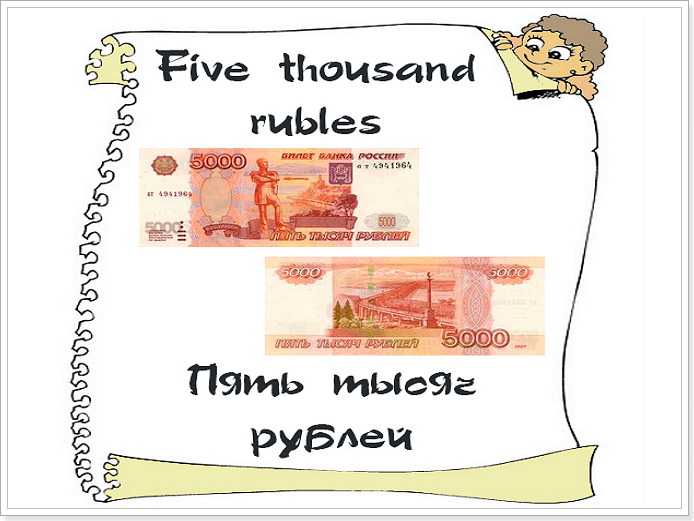 Примеры популярных слов о деньгах в английской речи с переводом
 Полезные английские слова про деньги
Каждому из нас иногда приходилось давать в займы, одалживать, дарить, вкладывать или жертвовать денежные средства. Конечно, при общении с англоговорящими вам также придется затронуть данную тему, и без полезных английских слов про деньги вам не обойтись:
- donate — дарить, пожертвовать, давать на благотворительность
Alex donated a lot of money to the children’s house; it’s wonderful. — Алекс пожертвовал много денег детскому дому; это чудесно.
- exchange rate — обменный курс
The exchange rate of the currency today is very high. — Обменный курс валют сегодня очень высок.
- fee — гонорар, вознаграждение
This is you fee for the concert. — Это ваш гонорар за концерт.
- interest — проценты, процентная ставка
What’s your interest in this bank? — Какова ваша процентная ставка в этом банке?
- invest — инвестировать, вкладывать
Mr Green wants to invest a lot of money in our bank. — Господин Грин хочет вложить много денег в наш банк.
- legal tender — законное платежное средство
I have a legal tender in my business. — У меня законное платежное средство в моем бизнесе.
- lend — давать взаймы, одалживать
I can lend you some money, if you want. — Я могу одолжить тебе немного денег, если хочешь.
- loan — заем
You want a very big loan, I can’t agree with it.- Вы хотите очень большой заем, я не могу с этим согласиться.
- owe — быть должным
Why Tom is angry with you?-I owe him some money. — Почему Том сердит на тебя? Я должен ему денег.
- receipt — чек, квитанция
Here is your receipt. — Вот ваш чек.
- refund — возвращать (деньги, ущерб, и т. п.)
I damaged your car; I want to refund the money.- Я повредил вашу машину; я хочу вернуть деньги за ущерб.
- tip, tips — чаевые
Oh, why do you give so many tips to the waiter? — О, почему ты даешь так много чаевых официанту?
- withdraw — снимать средства со счета
Can you help me with some money?-Sure, I have to withdraw some from the bank. — Ты можешь помочь мне с деньгами? Конечно, я должен снять немного из банка.
Как вы поняли, друзья, финансы — неотъемлемая часть бизнеса. А английский язык — весьма неординарная штука, в этом мы убеждались не раз. Таковы были основные значения терминов, связанных с денежными средствами и их перевод на русский.
People say: Money makes the world go round and T totally agree. Frankly speaking, it’s impossible to imagine the life of people without usage of money because we should pay almost for everything in our world except for mother’s love, father’s guidance and friend’s support.
In all times money were a medium of exchange. In ancient times when money didn’t exist people used barter to satisfy their need for goods they didn’t have. Later commodity money appeared, like shells, beads, salt, tobacco, animal skins, even dog’s teeth and what not. Gradually our forefathers started to use clearly marked coins, made of precious metals. It was not until about 1000 years ago that the first paper money, which we call banknotes today, was invented in China. Today cash is widely used across the world along with credit cards and electronic money. In fact, each country has its own basic unit of money called currency, whereas the U. S. dollar is quite often regarded as the international means of payment.
What for we use money now? Well, there are three main uses. At first it is a medium of exchange as in ancient times; if you want to buy something you have to pay for it a certain sum of money. In addition to it, money is also used as a unit of account as money determines cost of all goods and services. Owing to money each person can interpret prices, costs, profits and debts; in such a way people have an opportunity to monitor their financial situations, plan their expenses and measure their future profitability. And finally, it’s a well-known fact that money is a store of value, which means that money can be saved for future purchases. Valuables, real estate, stocks and bonds are stores of wealth as well. Certainly it’s better when money works and brings its owner a profit, it’s also possible to put money into a bank account and receive interest from it if one wants to minimize the risk.
There are two different opinions about money. One people think that wealth is the most important thing in a people’s life. Other insists that there are a lot of things which have higher importance then money. Of course everyone have their own arguments.
First of all, measure of welfare can be the meter of people’s brainpower and success. As suggested by the majority only clever and brainy people can be hired on a decent position with high salary. But from other side reach people can also be a swindlers and a cheaters who bosses other persons around and has no dignity at all.
Next, money lets us fulfill our basic needs. You can’t be happy if you have no money to satisfy your natural needs. Money as commonly gives us new possibilities. But it’s not a secret that people’s requirements have no limits: the more you have, the more you want.
And the last, poverty should restrict themselves in everything. As a result it force them feel themselves miserable, angry and jealous of others’ wealth. It is said in the Bible that «The love of money is the root of all evil». Indeed, the majority of the crimes are committed because of money.
I suppose that money is very necessary thing in our world, but it is not the first. Everyone has to understand that life is worth living because of things that can’t be bought for money..
As far as I’m concerned, I get pocket money from my parents. There are different points of view on the allowance given to children by their parents, but I’m inclined to think that
pocket money is needed, because children are reasonable enough to make correct use of this money. Dealing with money is an extremely useful skill for our future life and it gives us a sense of independence. In addition to it, every teenager needs money in case he or she wants to grab a snack or gets lost in the city or lacks some stationery. Regrettably, some children do not understand the value of money and do not appreciate their parents’ labor.
In this case I’d recommend them to take a part-time job and become a babysitter, a waiter, a
cleaner and so on. Not only does this provide teenagers with earnings, but help to gain some priceless experience.
To make my long story short, I want to quote Malcom Forbes, the rich and extravagant person who seemed to have all a human wants: «Money isn’t everything according to those who have it». So enjoy every moment of your life and appreciate the things you already have.
Money has been the most disputable matter throughout the human history. What is money for? And when did it appear?
Money is a universal means of payment and a means of exchange. It appeared thousands of years ago. First people used things like animal skin and precious metals as money. But it wasn’t easy to carry and store them. The money we use nowadays is made of paper and cheap metals. They are banknotes and coins of different value.
Everybody uses money in our modern world. We all need money, we think about it and work for it. It is difficult to imagine today’s life without banknotes and coins, credit cards and cash. Modern technologies have influenced the way of payment: and plastic cards are becoming more and more popular today and they can be accepted even abroad. It’s really convenient and safe for travelers because you don’t have to carry the money in your wallet or exchange the currency in order to make purchases in foreign countries.
We need money to live and buy desired things and services. We can’t travel around the world, buy a car, rent an office, use the Internet or just buy food and clothes without money. People who earn much money can afford luxury goods: expensive cars and fantastic mansions, precious stones and unique works of art. The more money you earn, the more products you can buy. We must admit that being a millionaire is always dangerous. Rich people spend a lot on security because they are often robbed, kidnapped and even killed.
To my mind, money and happiness are not synonyms. Money doesn’t always mean well-being and prosperity. Sometimes money ruins people’s lives and destroys families. People who value material things only, who care too much about money cannot be happy. Happiness depends both on material and spiritual things. And you can’t buy health, love or true friends with money.
Перевод
На протяжении всей человеческой истории деньги являются наиболее спорным вопросом. Для чего существуют деньги? И когда они появились?
Деньги являются универсальным средством оплаты и средством обмена. Они появились тысячи лет назад. Первые люди использовали шкуру животных и драгоценные металлы в качестве денег. Но было нелегко их носить и хранить. Деньги, которыми мы пользуемся сегодня, изготовлены из бумаги и дешевых металлов. Это банкноты и монеты различной ценности.
В нашем современном мире все пользуются деньгами. Нам всем нужны деньги, мы думаем о них и работаем ради них. Сложно представить нынешнюю жизнь без банкнот и монет, кредитных карточек и наличности. Современные технологии оказали влияние на способ оплаты: пластиковые карты становятся сегодня все более и более популярными, и они принимаются даже заграницей. Это очень удобно и безопасно для путешественников, поскольку нет необходимости носить деньги в бумажнике или совершать обмен валюты для совершения покупок в других странах.
Деньги нам нужны для жизни и покупки желаемых вещей и услуг. Мы не сможем путешествовать по миру, приобретать машину, арендовать офис, пользоваться интернетом или просто покупать продукты и одежду без денег. Люди, зарабатывающие много денег, могут позволить себе предметы роскоши: дорогие автомобили и фантастические особняки, драгоценные камни и уникальные произведения искусства. Чем больше денег вы зарабатываете, тем больше товаров вы можете приобрести. Следует признать тот факт, что быть миллионером – это всегда опасно. Богатые люди тратят много на свою безопасность, потому что их часто грабят, похищают и даже убивают.
По моему мнению, деньги и счастье не являются синонимами. Деньги не всегда означают благополучие и процветание. Иногда деньги разрушают человеческие жизни и разваливают семьи. Люди, которые ценят лишь все материальное, которые слишком беспокоятся о деньгах, не могут стать счастливыми. Счастье зависит как от материального, так и от духовного. И вы не сможете купить здоровье, любовь и истинных друзей за деньги.
11 дек.
Говорим о деньгах по-английски
Конец года -время подсчитывать доходы и расходы. Одновременно можно заняться повторением и проверкой лексики, связанной с деньгами, на английском языке. Вот основные выражения про деньги на английском языке:
- how much is - сколько стоит
- coin - монета
- note - банкнота
- change - сдача
Способы оплаты
- Cash - наличные
- cheque(s) - чек(и)
- credit (slang - plastic) - кредитная карта
В честь чемпионата мира предоставляем вам возможность сэкономить на изучении английского. Получи свою скидку! [Лайфхак: чтобы увидеть скидку, зарегистрируйся и нажми "Альтернативное предложение"]
Тема деньги: Общие обозначения

Таблица 1. Выражения про деньги на английском языке
Словарик на тему «Деньги»
Account - счёт
a record of money a person deposits into a bank
ATM - банкомат
Automatic Teller Machine aka Hole in the wall.
Balance - баланс
the difference between credits and debits in an account
a building in which commercial banking is transacted.
bank charges - банковские сборы
money paid to a bank for the bank"s services etc
Barter - обменивать
to trade without using money.
Borrow - брать взаймы
to ask for the temporary use of money on the condition of repayment and at a set rate of interest.
Branch - филиал банка
local office or bureau of a bank
Cashflow - движение денежных средств
cash earnings minus cash outflows for fixed- and working-capital investment.
Cashier - кассир
an employee of a bank or building society who receives and pays out money.
Chequebook - чековая книжка
book containing detachable cheques
written order to a bank to pay the stated sum from one"s account
Counterfeit - фальшивые деньги
fake money made in order to deceive - also v.
Credit - кредит
money in a bank a/c; sum added to a bank a/c; money lent by a bank - also v.
credit card - кредитная карта
(plastic) card from a bank authorising the purchasing of goods on credit
Currency - валюта
money that is used by a country such as the United Kingdom.
current account - текущий счёт
bank a/c from which money may be drawn at any time; checking account US
Debit - дебет
a sum deducted from a bank account, as for a cheque - also v.
debit card - дебетовая карта
you use a debit card in much the same way as a credit card but instead of receiving credit after making your purchase, the funds are automatically (within a few days usually) withdrawn from your bank account.
the state of owing something (especially money).
Denomination - купюра
a number that expresses the value of a coin or bill. A five pound note and a ten pound note represent two denominations.
Deposit - вклад
an amount of money placed with a bank
deposit account - сберегательный счёт
bank a/c on which interest is paid; savings account US.
fill in - заполнять (заявление, форму)
to add written information to a document to make it complete.
foreign exchange - иностранная валюта, валютные торги
Used to describe the currency of other countries and the system for dealing in such currency (often shortened to Forex).
Interest - проценты
money paid for borrowing money, or money that a bank or building society pays a customer for putting money into their bank.
interest rate - процентная ставкв
the percentage of an amount of money which is paid for the use of that money over a period of time.
Lend - давать взаймы
to give the temporary use of money on the condition of repayment and at a set rate of interest.
Loan - ссуда, кредит
money lent by a bank etc and that must be repaid with interest - also v.
Overdraft - овердрафт, превышение кредита
deficit in a bank account caused by withdrawing more money than is paid in
Pay - платить
To give (someone) money that is due for work done, goods received, or a debt incurred.
Pay - платеж
Money paid to someone for regular work. Also see salary.
pay in - сделать вклад
to deposit or put money in to a bank account
Payee - получаетль платежа
person to whom money is paid
paying-in slip - квитанция по вкладу
small document recording money that you pay in to a bank account
Pension - пенсия
A regular payment made during a person"s retirement (when they become too old to work) from an investment fund to which that person or their employer has contributed.
Salary - заработная плата
A fixed regular payment, typically paid on a monthly or biweekly basis made by an employer to an employee.
Statement - выписка по счёту
a record of transactions in a bank account
Withdraw - снимать деньги
to take money out of a bank account
Withdrawal - снятие денег
the act of taking out money.
Бедный и богатый, щедрый и жадный
Существует множество способов описания богатого или бедного человека. О некоторых из них не подозревают даже продвинутые пользователи.
Таблица 2. Как описать богатого и бедного человека на английском
Если вы щедры, благородны и не жалеете денег, то вас можно назвать:
- charitable (великодушный)
- generous (щедрый)
- sharing (состардательный)
- unselfish (отзывчивый)
Если же, наоборот, вы держите деньги при себе, то можно использовать определения:
- mean (подлый)
- miserly (мелочный)
- selfish (эгоистичный)
- stingy (скупой)
- tight (скряга)
- uncharitable (невеликодушный)
- ungenerous (нещедрый)
Анна Коврова
Даже само слово «деньги» не все употребляют верно. Сравните:
The money is falling from the sky.
The money are falling from the sky.
Что правильно?
Если у вас за плечами языковая школа или курсы английского , то вы, конечно, выберете первый вариант. Действительно, на русском говорят во : «Деньги падают с неба», а у англичан «деньги» — , так что употребляется с глаголами в единственном числе:
В скобках заметим, что вообще-то у слова «деньги» в английском языке число может быть и множественным, но это особые, очень редкие случаи. «Monies» («moneys») означает «денежные суммы» и уместно только в официальных текстах.
Money и компания
Очень часты словосочетания с глаголами «cost» («стоить») и «spend» («тратить»), а уж выражение «make money» просто обязано присутствовать в вашем активном словаре.
Прежде чем перейти к финансовым идиомам, давайте взглянем на общую таблицу сочетаемости для слова «money»!
Что почем?
Если что-то стоит очень дорого, уместно выражение «cost an arm and a leg».
Если желаете сказать, что покупка или сделка была выгодной, к вашим услугам словосочетание «good value (for money)».
Если же вы, напротив, недовольны тратами:
| All our money has gone down the drain. | Все наши деньги потрачены впустую. |
У кого сколько денег?
Есть несколько выражений, чтобы описать напряженную финансовую ситуацию: «feel the pinch» (денег не хватает, потому что доходы снизились), «be in the red» («влезть в долги», «уйти в минус»), «tighten your belt» («затянуть пояса»), «be out of pocket» (когда приходится потратить на что-то больше денег, чем ожидал).
Впрочем, что же это мы все о проблемах и о проблемах?! Лучше обсудим благополучное финансовое положение!
На русском принято говорить, что человек купается в деньгах. Англичанин же скажет, что не «купается», а «катается» в них. Причем «money» можно заменить на «it»
«Иметь глубокие карманы» — так дословно переводится еще одно выражение, означающее денежное изобилие. Причем оно может применяться не только к человеку, но и к какому-либо учреждению, компании:
У русской фразы «целое состояние» есть весьма близкое соответствие в английском: «small fortune»:


